Chronic Pain &
Hypermobility
Living with chronic pain shouldn't mean pressing pause.
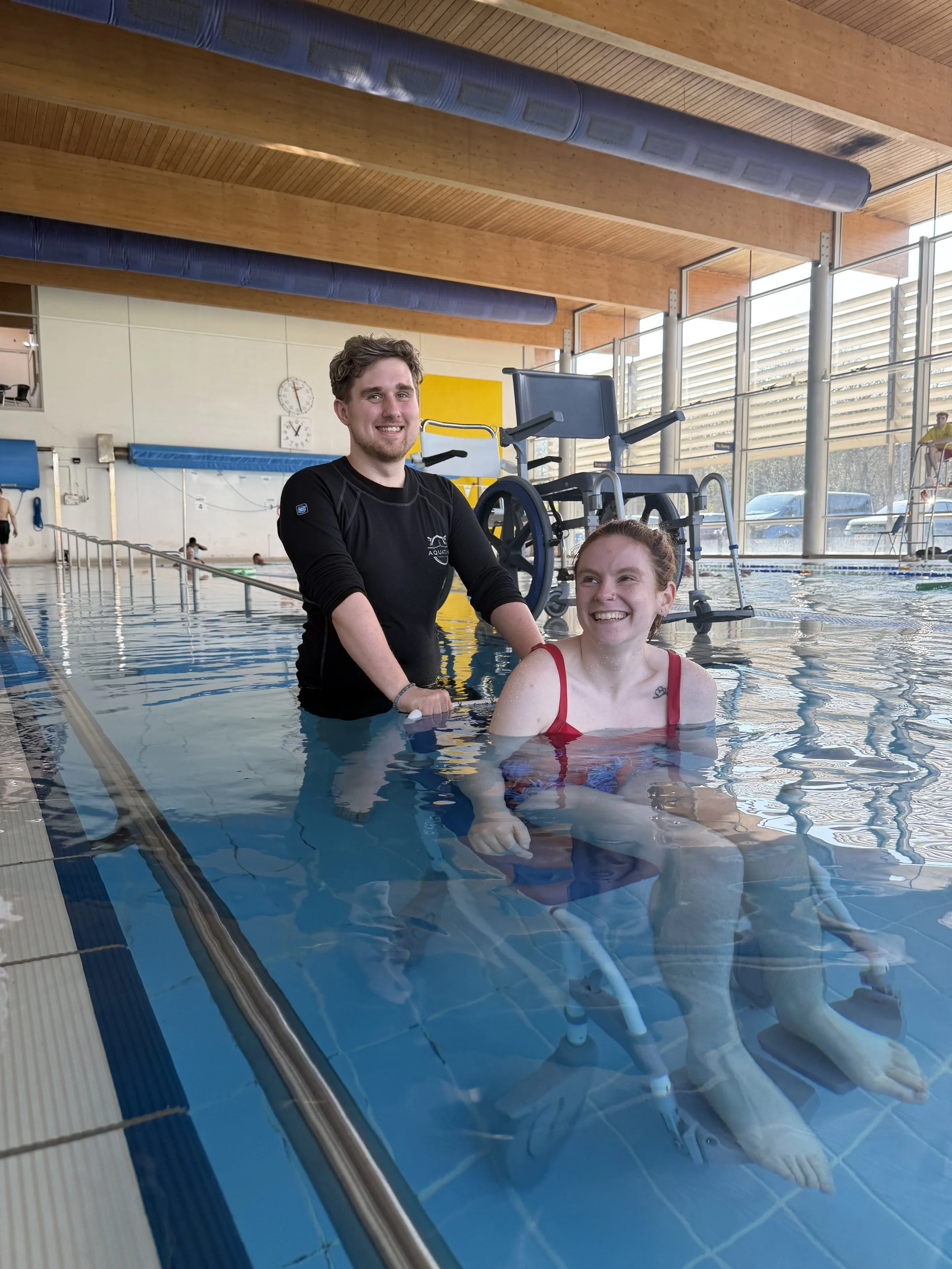
Turn down the volume on an over-sensitive nervous system and protect delicate, hypermobile joints. Our specialised warm-water pool is a complete, self-contained sanctuary for calming muscle guarding. If and when you are interested, we also offer a gentle, long-term pathway in our accessible gym to build protective muscle stability around flexible joints, completely respecting your energy & pain limits.
Your Symptoms Are Real and Interconnected
Complex conditions need a broader view.
Navigating chronic pain can feel like a full-time job. Even more so if you also live with conditions like Ehlers-Danlos Syndrome (EDS) or Fibromyalgia. If you are, or have been in this situation, you’ll know that standard exercises often miss the mark.
We understand how frustrating it feels when traditional advice leaves you exhausted, flaring up or worse. Especially when even good days are filled with the pain of holding your body upright, and stress you’d usually brush off has a marked impact on your physical symptoms.
Chronic pain rarely travels alone. Whether it is paired with a deeper systemic condition, an old injury that remains physically and mentally painful, or any combination of the two, we look at the whole picture of your health. We tailor your recovery plan to respect your energy levels, protect your joints, and help you move comfortably again.

Why Long-Term Pain Behaves Differently
Pain is your body's protection system.
To overcome chronic pain, it helps to understand how long-term discomfort develops. Your nervous system is designed to protect you, but sometimes its protective alarm stays on long after physical tissues have healed.
1. The Initial Trigger:
When you experience a standard injury or joint strain, your nervous system sends alert signals to your brain. Once the physical tissues heal, these alerts normally fade away so you can return to your everyday movement.
2. Central Sensitisation:
Sometimes, the volume dial on your protective alarm gets stuck on high. Even after tissues mend, your nervous system can become hypersensitive, interpreting normal movement or gentle pressure as danger. This heightened protective state is called central sensitisation, and it explains why your pain feels so intense and widespread.
3. The Protective Pause:
When movement repeatedly triggers your alarm system, your brain naturally learns to avoid moving. This protective hesitation is known clinically as kinesophobia, or fear of movement. It is a completely logical response from a brain trying to keep you safe, but sitting still can leave your joints feeling even more guarded and stiff.
Breaking the Cycle:
Warm Water Turns Down the Alarm Dial
AquaStretch: Unlocking Stubborn Stiffness
We use gentle resistance to restore comfortable movement.
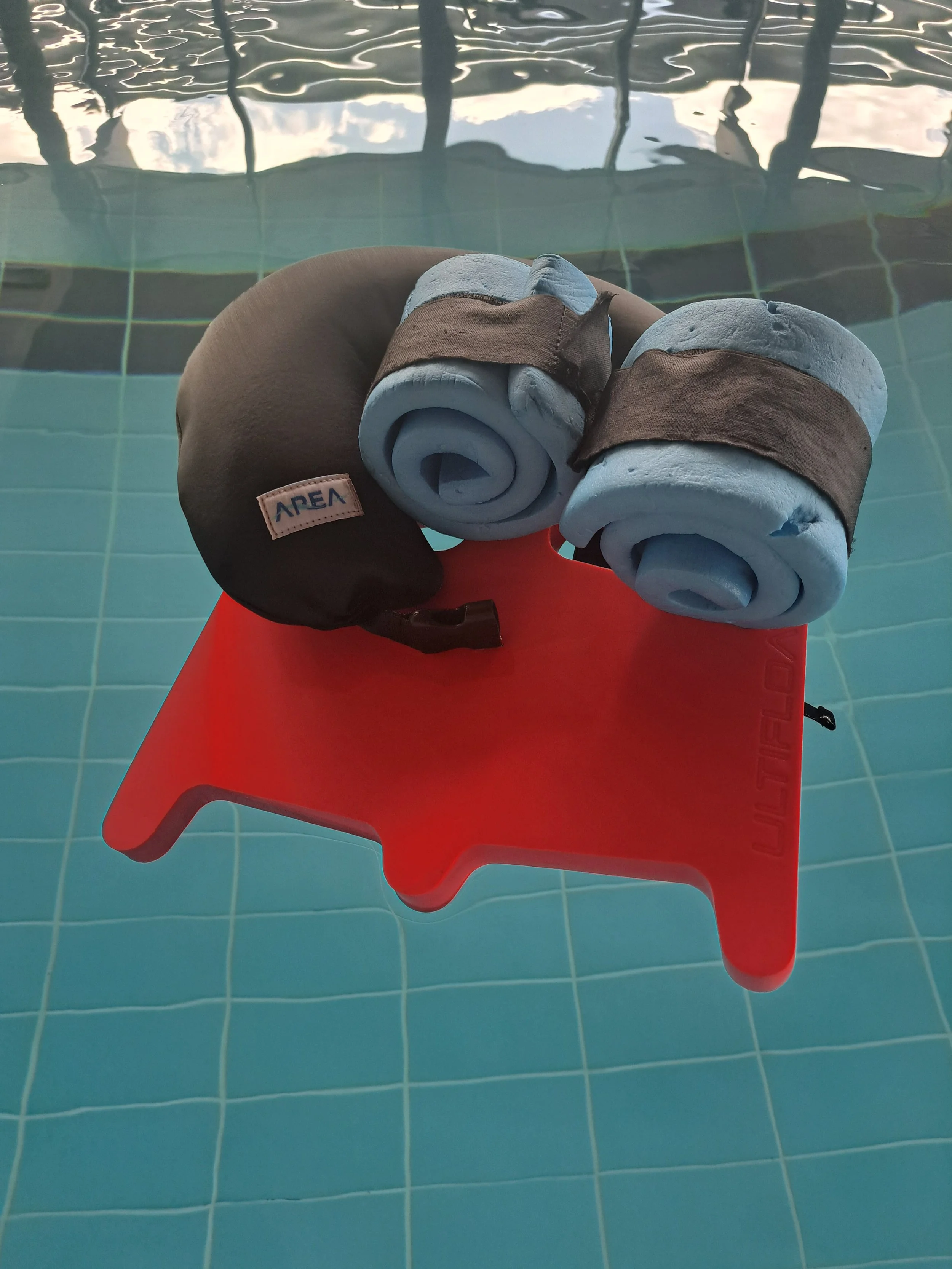
Chronic guarding can leave sticky restrictions in your connective tissue. During AquaStretch, we attach comfortably light weights to your ankles while you float in shallow water. Buoyancy supports your body weight while the weights act as a gentle anchor. Our therapists apply targeted pressure to dissolve deep fascial adhesions, restoring your flexibility without over-stretching painful tissue.
Watsu & Ai Chi: Deep Nervous System Reset
We quiet hyperactive nervous systems through floating support.
When your joints are hypermobile, your surrounding muscles often contract tightly to create artificial stability. Watsu combines weightless floating with gentle, wave-like movements inspired by Zen Shiatsu. This rhythmic support calms sensitive nervous systems and lowers stress hormones. Once your alarm system settles, we introduce Ai Chi, a gentle, standing balance practice that helps you coordinate your breath and build postural control without joint strain.
Your Adaptive Pain Management Plan
Your recovery adapts to what your body needs today.
Most of our treatment approaches are guided by estimated timelines because different regions of body tissue tend to heal at broadly predictable rates. In chronic conditions, pain and hypermobility, these rates are no longer relevant as the subtle interplay between your physical, emotional and neurological systems controls the pace and scope of the change.
We will always be transparent with what change we think we can achieve based on how your body is reacting. But rest assured, we will never use rigid timelines that ignore how you feel to progress your treatment.
-
Quieting central sensitisation and muscle guarding in warm water.
Milestone: Restoring restful movement without flare-ups; gentle fascial release through AquaStretch and Watsu.
-
Rebuilding movement trust and joint proprioception.
Milestone: Improving postural stability in shallow water; normalising walking gait and joint alignment.
-
Building muscular support around hypermobile or uncomfortable joints.
Milestone: Progressive, low-impact gym stability, fatigue tracking, and everyday movement confidence. Completely tailored and optional. And never based on graded exercise therapy (GET).
Ready to get back to life without pain?
Let's talk.
When you manage chronic pain or hypermobility, your energy is precious, and finding an environment that respects your limits is essential.
Whether you are seeking immediate pool-based relief to calm an active flare-up, looking to explore gentle long-term options to support hypermobile joints, or simply want to speak with therapists who truly understand central sensitisation, we are here to support you. Let's have a gentle, understanding conversation.
When you share your story, please mention any formal diagnoses you are managing (such as Ehlers-Danlos Syndrome, Fibromyalgia, or MCAS), how frequently you experience pain or joint flare-ups, and how fatigue affects your daily activity. Knowing this allows us to plan a safe, compassionate approach that respects your nervous system's boundaries and avoids any high-stress exercise.