Lower Back &
Spinal Pain
Your back was built to move freely.
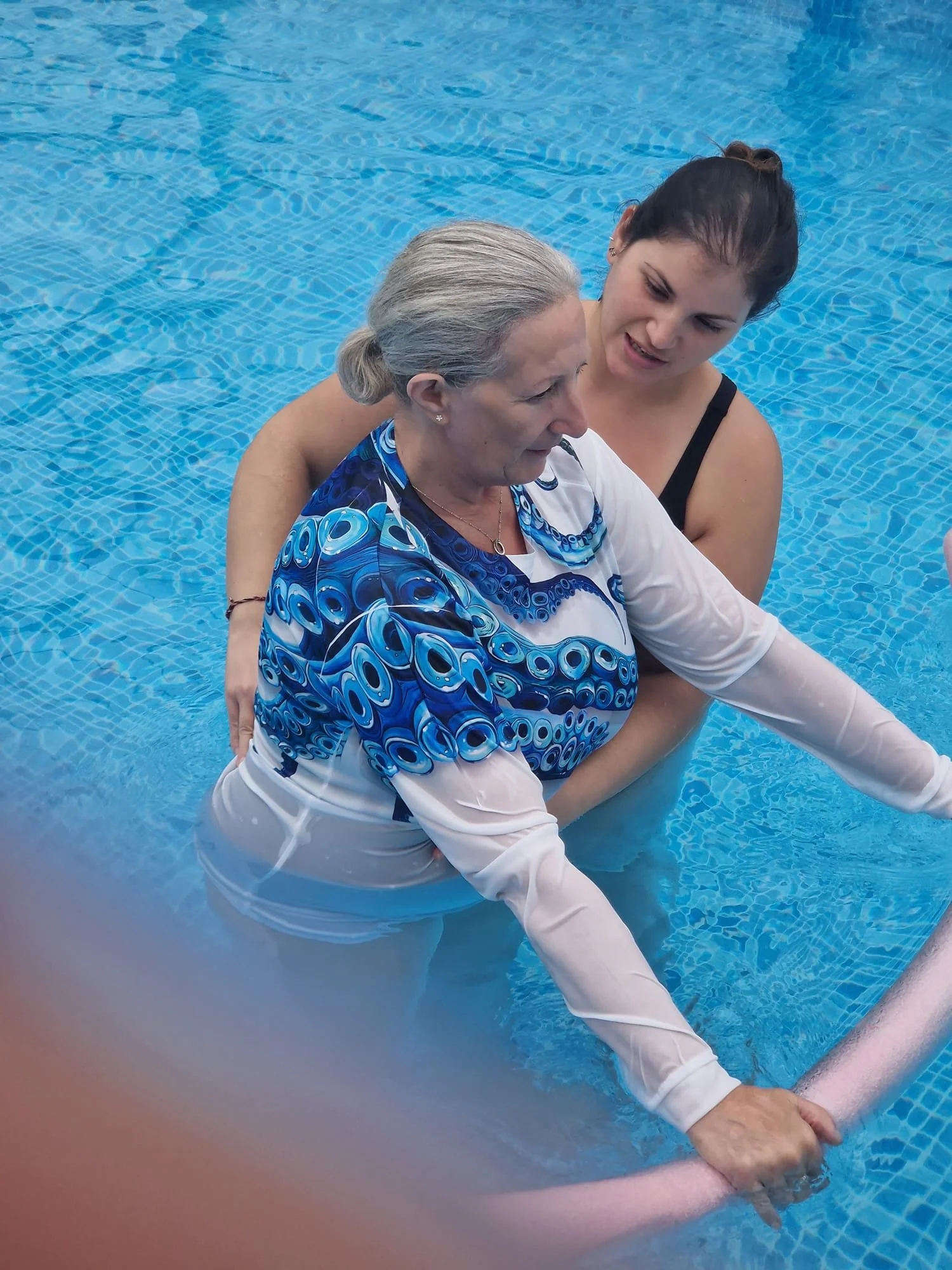
Decompress sensitive spinal discs and soothe irritated nerves by eliminating the heavy pull of gravity in our warm pool. The pool is a complete, self-contained sanctuary where you can heal and restore movement at your own pace. We are also proud to offer the gentle option, only when and if you feel ready, of building confidence, mobility and lasting core strength in our accessible gym.
Quieting an Alarm System on High Alert
Healing is more than mending tissue.
When back pain lingers for months, your body's alarm system often stays on high alert. Even after physical tissues have healed, an over-sensitive nervous system can keep sending protective pain signals. We understand how exhausting this persistent discomfort feels.
Your pain is very real, but it is not always a sign of ongoing tissue damage.
At Aquatic Therapeutics, we look at the whole picture of your recovery. We help your nervous system let its guard down so your back can move comfortably again. By calming your guarded muscles in warm water, we restore your natural flexibility without triggering sharp pain.
How Water Unloads Your Spine
Water takes the weight right off.
Gravity puts constant daily pressure on your spinal discs and sensitive nerve roots. By stepping into our warm pool, natural buoyancy instantly supports your body weight.
This weightless support creates gentle disc decompression across your entire spine. Opening up this joint space gives irritated nerve roots the breathing room they need to settle down. Whether you are managing sciatica, spinal stenosis, or a stubborn disc injury, water-based therapy allows your back to lengthen and move safely.
Our Aquatic Techniques: AquaStretch & Watsu
Every appointment runs differently. We tailor each session to how you present on the day and where you are in your journey. But we have some techniques that we will usually reach for when managing back pain.
AquaStretch: Releasing Deep Restrictions
We use gentle resistance to unlock stiffness.
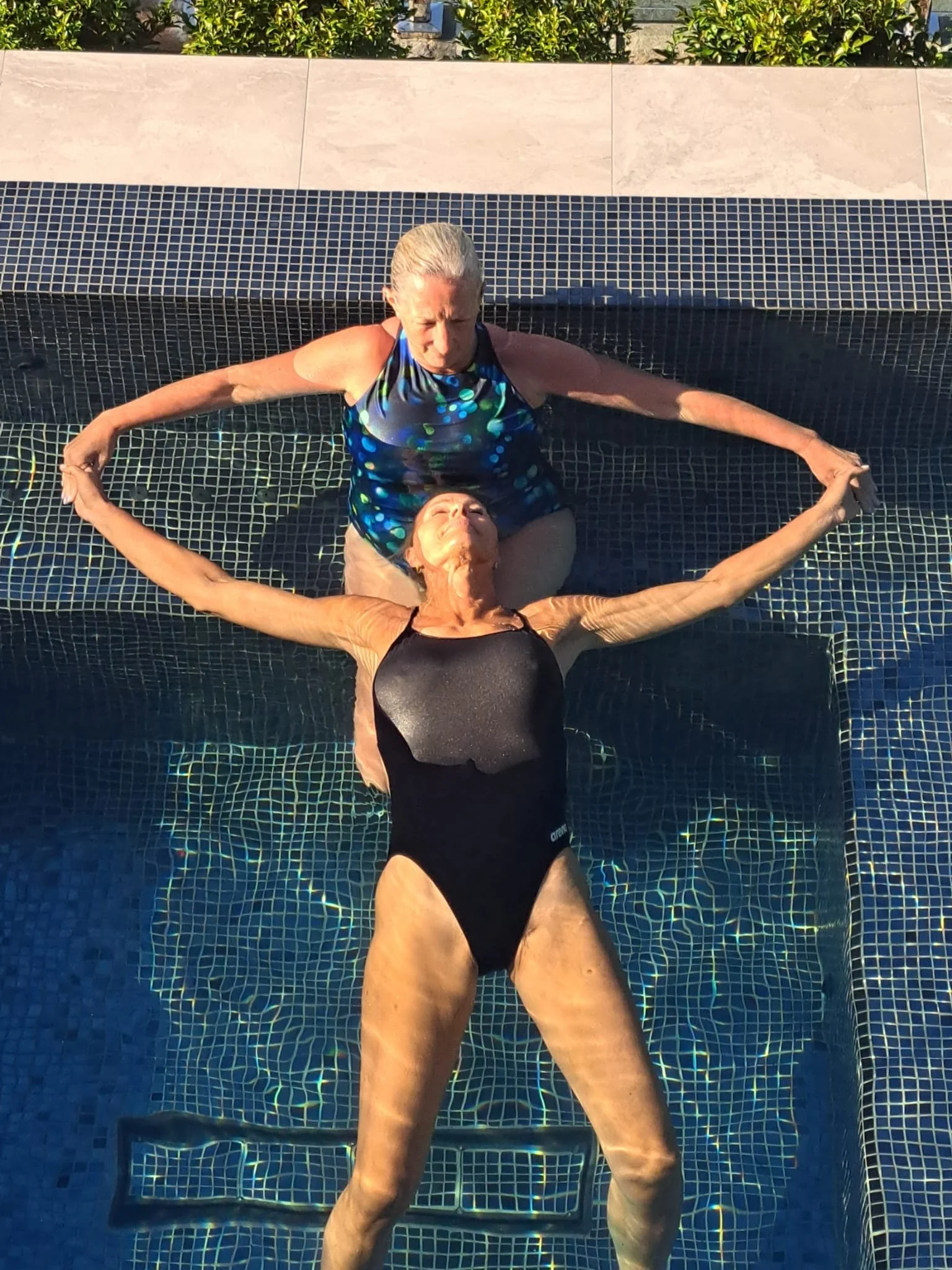
Old injuries leave behind sticky restrictions in your connective tissue that limit your movement. During AquaStretch, we attach comfortable weights to your ankles while you float in shallow water. These weights act as an anchor while you explore intuitive movement patterns. Our therapists apply targeted pressure to dissolve deep fascial adhesions, restoring your back's mobility quickly and comfortably.
Watsu: Deep Nervous System Reset
We quiet hyperactive nervous systems through floating support.
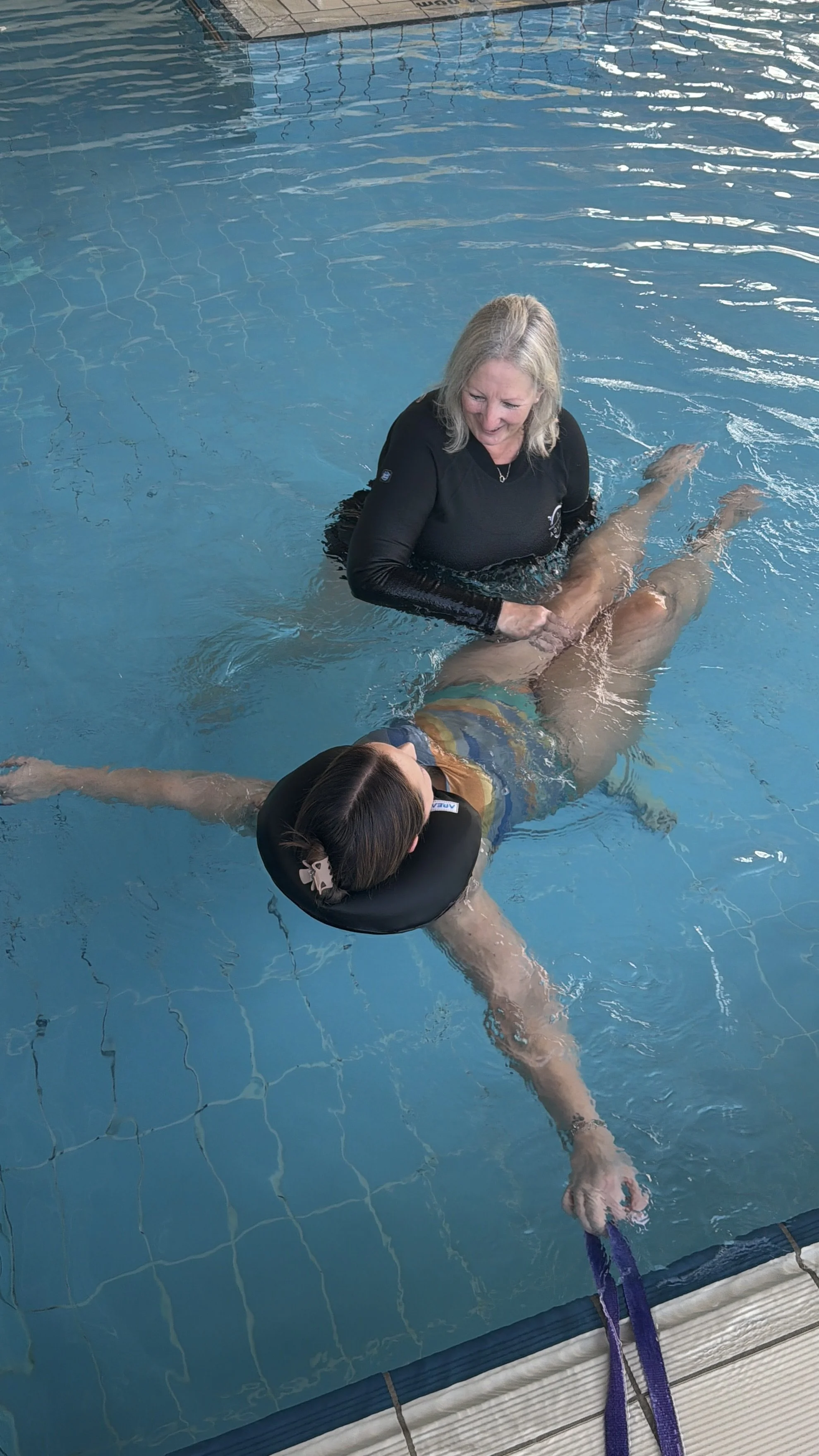
When your back is guarding against pain, forceful land-based stretching can make your muscles tighten even more. Watsu combines weightless floating with gentle, wave-like movements inspired by Zen Shiatsu. This rhythmic support calms sensitive nervous systems and lowers stress hormones. Once your body feels completely safe, we can work more deeply into affected tissues to provide lasting relief.
Bridging to the Gym: Lasting Physical Resilience
Real confidence comes from everyday resilience.
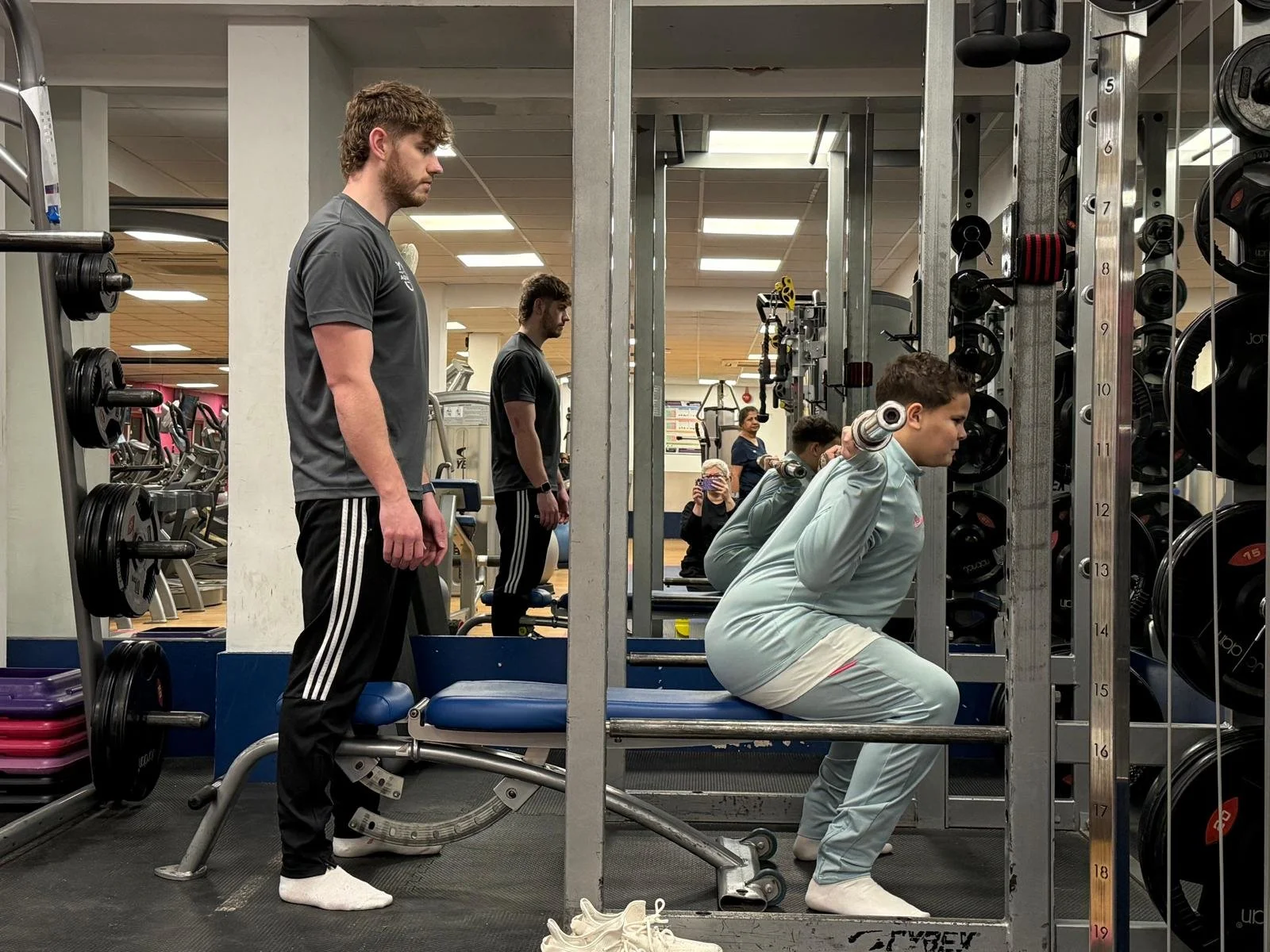
While many of our clients find complete, lasting relief and restoration entirely within the soothing warmth of the pool, we also offer a pathway into our friendly gym at Aspire. This is entirely optional and is never a mandatory requirement for your recovery. For many of our clients, particularly those who may be historically inactive or unfamiliar with gym environments, the idea of gym training can feel intimidating. We understand this completely.
If and when you decide you are ready to explore land-based core, back and pelvic strengthening, you will be in a quiet, non-judgmental space. You will work 1-to-1 with Andrew or Sam, our Master’s-level Sports Rehabilitators. They hold active BASRaT memberships and CIMSPA Level 4 qualifications. They never use confusing sports jargon or push you to exhaustion. They simply help you build active trunk support at a pace that feels comfortable, safe, and supportive.
What Your Recovery Journey Looks Like
Your recovery adapts to what your body needs today.
We tailor your recovery plan to your unique joint history, daily fatigue levels, and physical goals. We never use rigid timelines that ignore how you feel.
-
Typically lasting around 6 weeks, this phase takes the acute pain away. We take advantage of buoyancy to unload compressed discs and quiet sensitive nerve roots.
Once the acute pain and movement fear is reduced, we can progress.
-
Usually starting around week 4 or 6 and lasting until week 12 to 18.
In phase 2, we work on extending range of movement back to something more normal. This process of rebuilding tissue tolerance and postural control across pool is the foundation of a successful transition back to land.
We can include resisted exercise in the water, or modified walking challenges to help re-naturalise your gait pattern.
-
It is exceptionally difficult to predict when someone will reach this phase.
We have seen it as soon as 6 weeks and as late as 52 weeks. This variation is due to wider health factors, such as weight, exercise level, heart health, diet and most importantly, stress levels.
A typical maintenance phase will see someone come to see us once every month or two for six months.
-
We never want to force anyone, but we advocate for gym training at the end of our back rehab plans.
In alignment with the latest research, resistance training is seen to be the gold standard of back pain management and the best preventative measure.
We can teach you to be as independent in the gym as you would like. Either operating with a coach at all times, or being set free to train alone.
Ready to bend and move without that lingering stiffness? Let's talk.
We understand how frustrating it is when back pain limits your ability to sit, bend, or move freely. Whether you are looking to start pool therapy immediately to ease a painful flare-up, planning ahead for your long-term spinal health, or simply want to ask questions about our gentle myofascial techniques, we are here to support you. Let's have a comfortable, pressure-free chat to discuss what feels right for your body.
When you get in touch, please let us know if you experience any radiating pain or numbness down your legs (like sciatica), whether any specific positions (like sitting or standing) make the stiffness better or worse, and if you have had any recent imaging or consultant letters. This helps us understand your spinal history so we can make our first conversation as helpful and reassuring as possible.